
Insights
Preventing Scams in a Digital World: Why Protection Matters Now More Than Ever
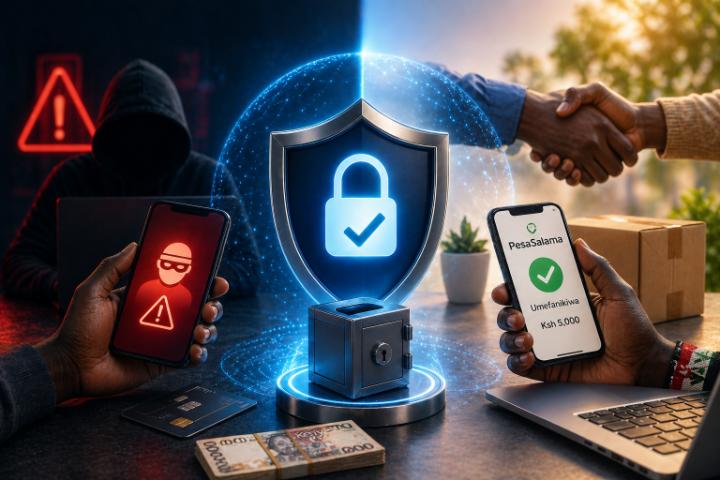
Scams are no longer rare incidents. They are becoming part of everyday life. From fake online sellers and fraudulent investment opportunities to impersonation schemes and payment fraud, individuals and businesses are losing money at an alarming rate.
As technology continues to make transactions faster and more convenient, it has also created new opportunities for fraudsters to exploit unsuspecting victims. Today, scams can happen in minutes, across cities, countries, or even continents. A simple message, phone call, or online listing can quickly turn into a costly mistake.
In today’s fast-moving digital economy, trust has become both more important and more fragile than ever before.
The reality is that scams are evolving faster than traditional safety measures. What worked a few years ago may no longer be enough to protect individuals and businesses today.
The Rising Wave of Scam Cases
Across the world, and increasingly within our own communities, scammers are becoming more organized, more convincing, and more technologically advanced. They study human behavior, understand common fears and desires, and design schemes that appear legitimate at first glance.
Many victims only realize they have been scammed after the money has already been transferred and communication suddenly stops.
In recent years, we have seen a noticeable increase in scams involving:
- Online marketplace purchases that never get delivered
- Fake vehicle sales advertised at attractive prices
- Fraudulent real estate listings and rental deposits
- Investment opportunities promising guaranteed profits
- Loan offers with hidden fees or fake approvals
- Impersonation of trusted companies or government officials
- Business-to-business transaction fraud
- Payment confirmation scams using fake receipts
- Social media marketplace scams
- Cross-border trade scams
These scams affect everyone. Students, professionals, entrepreneurs, families, and businesses are all potential targets.
Small businesses are particularly vulnerable because a single fraudulent transaction can disrupt operations, damage trust, and cause financial strain.
What makes modern scams especially dangerous is how quickly they happen. A transaction can be completed in minutes, but recovering the money can take months, years, or may never happen at all.
Why Scammers Are Winning More Often
Scammers succeed not only because they are clever, but because the current transaction environment often lacks built-in protection.
Many transactions still rely heavily on trust between strangers. In online marketplaces, social media platforms, and remote business deals, buyers and sellers may never meet in person. Payments are often sent before goods or services are delivered, creating an opportunity for fraud.
Common situations where scams occur include:
- Paying for goods before verifying delivery
- Sending deposits to secure items or services
- Buying vehicles or property from unknown sellers
- Making advance payments for online orders
- Conducting business transactions with new partners
- Accepting urgent payment requests without verification
Even experienced individuals can fall victim to scams when faced with urgency, pressure, or convincing documentation.
Scammers often create a sense of urgency to prevent victims from thinking carefully. They may say:
- "This offer is only available today"
- "Someone else is ready to buy"
- "Send payment now to secure the deal"
- "We need immediate confirmation"
These tactics are designed to rush decisions and bypass proper verification.
The Emotional and Financial Cost of Scams
The impact of scams goes far beyond financial loss. Victims often experience stress, frustration, embarrassment, and loss of confidence. Businesses may lose customers, damage their reputation, or face operational setbacks.
Some of the most common consequences of scams include:
- Loss of hard-earned money
- Business disruption and delayed operations
- Damaged relationships between buyers and sellers
- Legal disputes and unresolved conflicts
- Loss of trust in online transactions
- Reduced willingness to conduct digital business
For many people, the biggest lesson comes too late. They realize that prevention would have been far easier than recovery.
Why Traditional Precautions Are No Longer Enough
For years, people have been advised to follow basic safety measures such as:
- Verify the identity of the other party
- Meet in person before making payments
- Use trusted payment methods
- Keep records of transactions
- Avoid deals that seem too good to be true
While these precautions remain important, they are not always practical in modern transactions. Many deals now happen remotely. Buyers and sellers may be located in different cities or countries. Physical meetings are not always possible.
The digital economy has created convenience, but it has also introduced risk.
The truth is simple.
Advice alone cannot prevent scams. Systems must be designed to prevent them.
The Turning Point: Recognizing the Need for a Better Solution
After witnessing the growing number of scam attempts affecting individuals, businesses, and online transactions, we recognized a critical gap in the way transactions were being conducted.
The problem was not just dishonesty.
The problem was the absence of a structured, secure transaction process.
People needed more than warnings. They needed protection built directly into the transaction itself.
They needed a system that could:
- Hold funds securely during transactions
- Ensure both parties meet their obligations
- Prevent fraud before money changes hands
- Provide transparency throughout the process
- Reduce disputes and misunderstandings
- Build confidence between strangers
This realization led to the creation of a new approach.
We Came Up With a Solution
To address the growing threat of scams, we developed eConfirm, a secure digital escrow platform designed to protect both buyers and sellers during transactions.
Instead of sending money directly to another person or business, funds are placed securely within the system until the agreed conditions are fulfilled.
Only after both parties confirm that the transaction requirements have been met is the payment released.
This process removes uncertainty and significantly reduces the risk of fraud.
Rather than relying solely on trust, the system provides structure, accountability, and protection.
As part of our commitment to safer transactions, we recently introduced the platform to the public through our Beta release. You can learn more about the launch and capabilities of the system here:
https://econfirm.co.ke/insights/weve-launched-the-beta-version-of-econfirm-fully-functional-and-ready-to-use
The Beta version is fully functional and designed to handle real-world transactions while we continue to monitor performance and gather feedback.
How eConfirm Helps Prevent Scams
Our system reduces fraud risk by introducing clear controls, transparency, and accountability into every transaction.
Key protections include:
Secure Holding of Funds
Money is safely held within the system until the transaction requirements are satisfied. This prevents premature payments and protects both parties.
Verified Transaction Workflow
Both parties agree on clear terms before the transaction begins. This reduces misunderstandings and ensures everyone knows what to expect.
Real-Time Monitoring
Transactions are tracked from start to completion, allowing users to stay informed at every stage.
Protection for Both Parties
Buyers are protected from paying for goods they never receive.
Sellers are protected from delivering goods without payment.
Dispute Management
If disagreements arise, the system provides a structured process to resolve issues fairly.
Scam Reporting and Awareness Tools
Users can report suspicious activities and help protect others from falling victim to similar scams.
Prevention Is Better Than Recovery
Recovering money after a scam is often difficult, time-consuming, and sometimes impossible. Law enforcement processes can take time, and financial recovery is not always guaranteed.
Preventing the scam before it happens is the most reliable strategy.
A secure transaction process acts as a safety barrier that stops fraud before damage occurs.
Building a Culture of Safe Transactions
Preventing scams is not just about technology. It is about creating a culture of safe and responsible transactions.
Individuals and businesses can reduce risk by:
- Avoiding direct payments to unknown parties
- Using secure transaction platforms
- Confirming transaction details before sending money
- Keeping clear records of agreements
- Reporting suspicious activity immediately
- Choosing structured payment processes over informal arrangements
When safe practices become standard, scammers lose opportunities to exploit victims.
A Safer Way to Transact
The digital economy will continue to expand, and transactions will continue to move online. With that growth comes the responsibility to protect users from fraud.
Safe transactions should not depend on luck, assumptions, or blind trust.
They should be supported by systems that provide transparency, accountability, and security.
That belief is what led us to build eConfirm, a solution created to reduce fraud, protect users, and restore confidence in digital transactions.